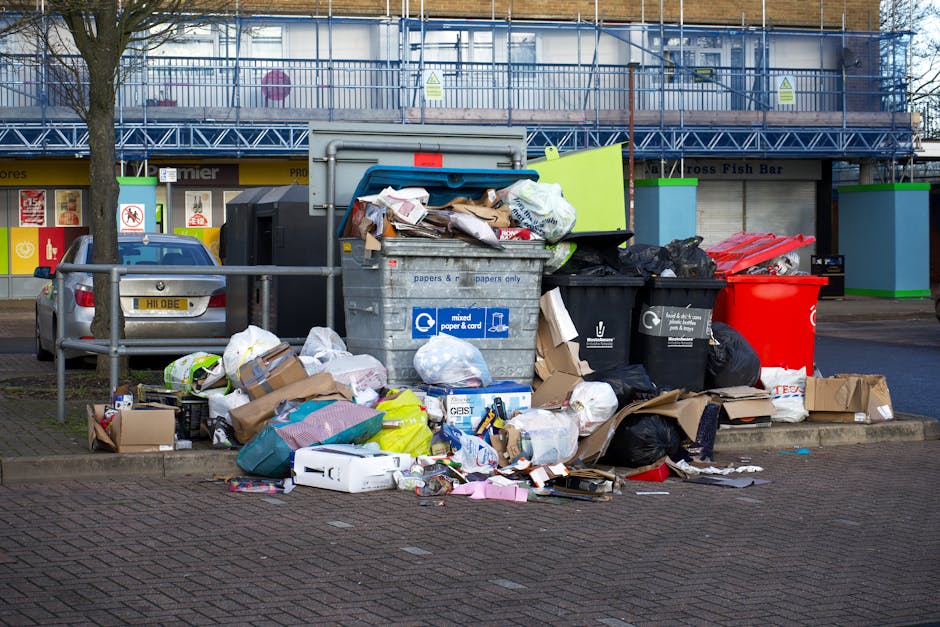
NW4 Brent Street bulky rubbish removal options: a practical guide to clearing large waste without the stress
If you are dealing with an old sofa, a broken fridge, a pile of flat-pack packaging, or a full room's worth of unwanted items, the problem is rarely just the size of the rubbish. It is the lifting, the access, the timing, and the nagging question of what to do with it all. That is exactly why NW4 Brent Street bulky rubbish removal options matter. The right approach saves you time, keeps hallways clear, and helps you avoid the awkward last-minute shuffle that everyone dreads.
This guide walks through the most sensible bulky waste clearance choices for Brent Street and the wider NW4 area, including what each option is good for, where it can fall short, and how to choose the easiest route for your situation. Let's face it, bulky waste has a habit of turning a tidy home into a mini obstacle course.
Table of contents
- Why NW4 Brent Street bulky rubbish removal options matters
- How NW4 Brent Street bulky rubbish removal options works
- Key benefits and practical advantages
- Who this is for and when it makes sense
- Step-by-step guidance
- Expert tips for better results
- Common mistakes to avoid
- Tools, resources and recommendations
- Law, compliance, standards, and best practice
- Options, methods, and comparison table
- Case study or real-world example
- Practical checklist
- Conclusion
- Frequently asked questions
Why NW4 Brent Street bulky rubbish removal options matters
Brent Street is a busy part of NW4, and bulky rubbish is rarely "just there" in a neat, convenient way. It sits at the end of a narrow hallway, blocks a stairwell, or takes up half a driveway while you wait for a better time. In homes, flats, converted properties, and small businesses, large waste can become a real nuisance very quickly.
Choosing the right bulky rubbish removal option matters because each type of waste creates different challenges. A single mattress is one thing. A sofa, wardrobe, and broken cabinet is another. Add stairs, awkward corners, shared entrances, or limited parking and the job becomes much more complicated. The wrong option can waste money, delay the clearance, or leave you with heavy items you still cannot move. Not fun.
There is also the cleanliness side of it. Old furniture can collect dust, damp, and odd smells over time. Appliance waste may be awkward and dirty. Garden items can be muddy and sprawling. By dealing with bulky items promptly, you reduce clutter, lower trip hazards, and make the space feel breathable again. You will notice the difference straight away.
For many residents and landlords, the question is not whether to remove bulky rubbish. It is how to do it in a way that is sensible, safe, and reasonably efficient. That is where a clear look at your options helps.
How NW4 Brent Street bulky rubbish removal options works
Bulky rubbish removal usually follows a simple pattern: identify the waste, choose the removal method, arrange access, and make sure the items are collected or transported legally. Simple on paper. In practice, the details matter quite a lot.
Most bulky waste jobs fall into a few broad routes. You may handle the items yourself if they are manageable and you have a suitable vehicle. You may split the load into smaller pieces for disposal or recycling. Or you may use a professional clearance service that removes the items from inside the property and handles the load-up for you. That last point is often what saves the most effort.
When a service team collects bulky items, they normally assess what needs moving, where it is located, and whether there are access constraints such as narrow stairs, no lift, residents' parking, or shared entrance areas. For flats and maisonettes around Brent Street, those access details can matter more than the item list itself. A 10-minute job can turn into a longer clearance if everything has to be carried down several flights, and that is just reality.
Some people also combine bulky rubbish removal with other clearance work. For example, you might clear furniture at the same time as a home tidy-up, loft clearance, or garage clearance. That can be more efficient than booking several separate jobs. It can also make the property feel reset in one go, which is often the whole point.
Key benefits and practical advantages
The obvious benefit is convenience, but there is more to it than that. A good bulky waste solution does three things well: it removes the strain, keeps the process organised, and helps you avoid unnecessary disposal headaches.
- Less physical lifting: heavy furniture and awkward appliances are not something you want to wrestle with on a staircase.
- Faster clearance: once the job is planned properly, a room can be cleared far more quickly than most people expect.
- Cleaner exit route: no scratched walls, dragged items, or bits of packaging left behind in the rush.
- Better sorting: recyclable items, reusable furniture, and general waste can be separated more sensibly.
- Reduced stress: one less thing hanging over your head, which is worth a lot on a busy week.
There is also a hidden advantage for landlords, tenants, and managing agents: professional removal helps keep turnover moving. If a flat needs to be made ready for decorating, letting, or sale, bulky rubbish can create a frustrating bottleneck. Removing it early clears the path for everything else.
If your load includes furniture, it can be worth looking at furniture disposal or a broader furniture clearance service, especially when several large pieces need to go together. For mixed household loads, a full home clearance may make more sense than tackling items one by one.
Expert summary: The best bulky rubbish removal option is rarely the fanciest one. It is the one that matches the item type, access conditions, and your timetable without creating extra work later.
Who this is for and when it makes sense
Bulky rubbish removal is relevant to more people than you might think. It is not just for end-of-tenancy emergencies or post-renovation mess. In NW4 Brent Street, it often comes up in ordinary situations that simply snowball.
You may need it if you are:
- moving house and do not want to take damaged or oversized items with you
- clearing a flat after replacing old furniture
- preparing a property for sale or rental
- emptying a garage, loft, or shed that has become a catch-all space
- replacing appliances or mattresses
- tidying after a refurbishment or minor building works
- managing business waste that includes bulky office furniture or fixtures
For tenants, it can be a way to leave a property in better shape and reduce friction at the end of a lease. For landlords and letting agents, it can help restore order between occupancies. For homeowners, it is often about reclaiming space. Truth be told, once an unused sofa disappears, the room can feel twice as large.
This is also where related services can help. If the bulky load sits in a garage, a dedicated garage clearance may be more useful than a generic rubbish collection. If the items are upstairs in storage, loft clearance can be the smarter route. The same logic applies to office clearance when business furniture is the main issue.
Step-by-step guidance
If you want the process to go smoothly, treat it like a small project rather than a rushed chore. That usually saves time, odd surprises, and a lot of back-and-forth.
- List the items clearly. Write down what needs removing, including approximate size and condition. A broken wardrobe and a dismantled wardrobe are not quite the same job.
- Separate bulky waste from hazardous or restricted items. Paint, chemicals, gas bottles, and some electrical items may need special handling. If you are unsure, check before you start shifting things around. Hazardous waste disposal is not the place for guesswork.
- Check access. Stair width, parking, lift access, and loading distance all influence the best option. A straightforward job can get awkward fast if access is poor.
- Decide whether anything can be reused or recycled. Some furniture may be suitable for reuse, while other items will need disposal. Sorting early helps.
- Choose the removal method. For a single item, a simple removal may be enough. For mixed loads, a broader waste removal service may be more practical.
- Prepare the area. Clear pathways, move small loose items, and make sure doors are accessible. That small bit of prep can make the difference between a tidy collection and a slightly chaotic one.
- Confirm what will happen next. Ask how items will be handled, whether they will be recycled where possible, and whether there are any conditions for arrival or collection.
If the load includes white goods or kitchen appliances, it is sensible to look at fridge and appliance removal. Those items are bulky, awkward, and often not worth trying to move without help.
Expert tips for better results
In our experience, the difference between a smooth clearance and a slightly frazzled one is nearly always in the preparation. Not glamorous, but true.
- Photograph the items first. This helps you remember what is going, and it is useful if you are comparing options.
- Dismantle what you safely can. Flat-pack furniture, bed frames, and shelving are often easier to move when broken down.
- Keep "maybe" items separate. If you are uncertain about keeping or removing something, set it aside rather than mixing it into the load.
- Group items by room. It speeds up the removal process and makes the job easier to explain.
- Plan around parking and neighbours. This matters more in densely populated streets than people expect. A small bit of consideration goes a long way.
One practical tip that often gets overlooked: if you are clearing several categories of items, use the chance to tidy the space before collection. A little sweep, a quick wipe, and a clear route can make the whole area feel instantly calmer. Strange, but satisfying.
If your clearance also includes mattresses or soft furnishings, the dedicated mattress and sofa disposal page is worth considering, because these items need separate thinking more often than not.
Common mistakes to avoid
Most bulky waste problems are preventable. They tend to come from rushing, assuming access will be fine, or forgetting that some items need special handling.
- Leaving the sorting until collection day: that is how mixed loads become confusing and slow.
- Underestimating access issues: a lift that is too small, a tight stairwell, or parking restrictions can all change the plan.
- Mixing general rubbish with restricted items: this can create delays or extra handling requirements.
- Trying to move dangerous or very heavy items alone: a second person or proper removal method is often the safer choice.
- Assuming everything can go together: some items may need recycling, specialist disposal, or separate collection.
Another common mistake is focusing only on price and not on convenience or fit. A cheaper-looking option can become expensive if you need to hire transport, pay for extra disposal, or spend half a day lifting items yourself. It happens more than people admit.
There is also the "I'll deal with it next weekend" trap. We all know that one. Next weekend becomes next month, and the wardrobe is still staring at you from the corner.
Tools, resources and recommendations
You do not need fancy kit, but a few basic tools can make bulky waste removal much easier and safer.
- Work gloves: useful for grip, splinters, and rough edges.
- Sturdy moving straps or trolleys: helpful for awkward loads if you are moving things yourself.
- Dust sheets or old blankets: good for protecting floors and door frames.
- Bin bags and boxes: for screws, fittings, and smaller loose debris from dismantled items.
- Measuring tape: very handy when checking whether items can get through doors or around corners.
From a planning point of view, it helps to use simple notes: item list, access notes, preferred date, and any special handling concerns. Nothing dramatic. Just enough to keep everyone on the same page.
If you need a broader clean-out, you may find flat clearance more suitable for smaller apartments, while house clearance is often the right fit for larger properties or fuller loads. For business premises, business waste removal can keep the process professional and tidy.
Law, compliance, standards, and best practice
Bulky rubbish removal is not just about logistics. It also sits within UK waste-handling expectations, so it is sensible to think carefully about who is removing the waste and where it is going.
At a practical level, best practice means using a waste carrier that can handle the items responsibly, separating reusable items where possible, and avoiding fly-tipping at all costs. Fly-tipping is not a casual shortcut; it creates real legal and environmental problems. If someone offers to take your rubbish away too cheaply, with no paperwork or explanation, that should make you pause. A bit of healthy caution is good here.
For items that may be hazardous, damaged in a risky way, or classed as specialist waste, extra care is needed. That includes substances, some electrical waste, and anything that may contaminate other loads. In those cases, the safest move is to ask for guidance before the collection is arranged. Not every bulky item belongs in the same pile.
Good operators should also be clear about safety, access, and handling procedures. If you are comparing services, it is perfectly fair to ask how items are lifted, whether staff are insured, and what happens if the waste contains recyclable materials. You can also review pages such as insurance and safety, health and safety policy, and recycling and sustainability to understand the standards behind the service approach.
For anything confidential or sensitive, use the right disposal route. For example, documents should not be thrown in with general bulky waste. A separate confidential shredding solution is more appropriate.
Options, methods, and comparison table
Different bulky rubbish removal options suit different situations. The best one depends on how much you need removed, how accessible the property is, and whether you want a hands-off service or a do-it-yourself approach.
| Option | Best for | Pros | Trade-offs |
|---|---|---|---|
| Self-removal | Small volumes, easy access, vehicle available | Flexible timing, direct control, can be low-cost if you already have transport | Heavy lifting, disposal planning, time-consuming, less suitable for awkward items |
| Kerbside collection prep | Items that can be safely moved outside in advance | Simpler handover, less internal handling | Still requires moving items out yourself; not ideal for heavy furniture |
| Professional bulky waste removal | Large, heavy, or mixed items; flats and tight access | Most convenient, less lifting, usually faster overall | May cost more than DIY, depending on volume and access |
| Specialist disposal for appliances or hazardous items | Fridges, white goods, or restricted waste | Safer and more appropriate handling | May need separate arrangements and more planning |
| Full property clearance | End-of-tenancy, probate, move-outs, or major decluttering | Efficient for multiple categories of waste | Can be more than you need if the load is small |
For many Brent Street properties, the professional route is the simplest because access can be awkward and parking rarely feels generous. Still, if you only have one light item and a car or van, self-removal can be perfectly reasonable. No need to overcomplicate it.
Case study or real-world example
A typical NW4 situation might look like this. A couple in a Brent Street flat decide to replace a sofa, a mattress, and an old wardrobe. The wardrobe has already been partly dismantled, but the pieces are bulky enough to be awkward in the hallway. They also discover a broken office chair and a small pile of packaging from the new furniture.
At first glance, it seems manageable. Then they remember the stairwell bend, the tight entrance, and the fact that the sofa is heavier than it looks. Classic. Instead of trying to drag everything out over two evenings, they group the items together, check access, and choose a removal option that can take the lot in one visit.
The benefit is not just speed. The flat becomes usable again immediately, the hallway stops feeling cramped, and the new furniture can actually be assembled without constantly stepping around the old stuff. That is the real win. In these jobs, a calm reset is often more valuable than people expect.
If the same household had also been clearing cupboards, spare household items, and a few boxes from a storage room, a broader house clearance or home clearance approach would have made even more sense. Different load, different answer.
Practical checklist
Use this before booking or arranging your clearance. It keeps the process sensible and cuts down on surprises.
- Identify every bulky item that needs removing
- Separate general waste from hazardous or specialist items
- Measure large items if access may be tight
- Check stairs, lifts, parking, and entrance space
- Decide whether any items can be reused, donated, or recycled
- Clear a path to the items
- Remove loose contents from drawers, cupboards, or cabinets
- Keep screws, cables, and fittings in a labelled bag
- Confirm timing and collection requirements
- Prepare any relevant questions about handling, disposal, or recycling
Quick reminder: the easiest clearances are usually the ones where the prep took ten minutes and saved an hour. Small effort, big difference.
Conclusion
NW4 Brent Street bulky rubbish removal options are really about making a practical choice that fits your space, your items, and your timetable. Sometimes the right answer is a simple single-item pickup. Sometimes it is a fuller clearance with furniture, appliances, and mixed household waste handled together. The best choice is the one that reduces stress rather than adds to it.
If you are dealing with awkward access, large items, or a property that needs to be cleared quickly, planning ahead will always pay off. It keeps the job safer, tidier, and far less frustrating. And once the bulky items are gone, the room feels different. Lighter. Easier. More yours again.
Get a free quote today and see how much you can save.
If you are comparing options, take a calm look at the item list, the access, and the level of help you really want. That simple pause often leads to the best decision.
Frequently Asked Questions
What counts as bulky rubbish in Brent Street NW4?
Bulky rubbish usually means large or awkward items that are too big for standard household bins. Common examples include sofas, beds, wardrobes, tables, appliances, and large household clutter.
Is bulky rubbish removal better than trying to move items myself?
It depends on the items and the access. If everything is light, manageable, and you have transport, DIY can work. For heavy furniture, stairs, or mixed loads, a removal service is usually far easier.
Can I combine furniture disposal with other waste removal?
Yes, and that is often the smarter choice. Many people combine furniture disposal with broader waste removal so the whole job is dealt with in one visit instead of several.
What if I only have one large item to remove?
A single-item collection can still be worthwhile if the item is difficult to move or you do not have suitable transport. A mattress, sofa, or fridge can be surprisingly awkward on your own.
Do I need to separate recyclable items before collection?
It helps, yes. Separating reusable or recyclable items in advance makes the process cleaner and can support better handling of the load. It is not always essential, but it is a good habit.
What should I do with old appliances?
Appliances are best handled through a suitable appliance removal route because they can be heavy, awkward, and sometimes require special treatment. Fridges and similar items should not be treated like ordinary rubbish.
Is it safe to leave bulky waste in a communal hallway?
Usually no. Hallways and shared entrances need to stay clear for safety and access. If you live in a flat, keep items inside your property or arrange a proper removal time.
How do I know if an item is hazardous?
If it contains chemicals, pressurised contents, oils, or other potentially harmful materials, treat it carefully and check before disposal. When in doubt, ask for advice rather than guessing.
What is the easiest option for a flat with stairs?
For flats with narrow stairs or limited access, a professional bulky waste removal or flat clearance option is often the easiest because the lifting and loading are handled for you.
Can I use a bulky rubbish clearance for loft or garage contents too?
Yes. If the waste is mainly stored upstairs or in a garage, a loft clearance or garage clearance is often the best-fit service because it matches the space and the type of load.
What should I check before booking a removal?
Check the item list, access route, parking, timing, and whether any items need specialist handling. A quick check upfront prevents most of the common headaches later.
What is the best way to avoid delays on collection day?
Clear the path, separate obvious restricted items, and make sure the items are easy to identify. The more organised the space, the smoother the collection tends to be.
For more about the wider service approach and company background, you can also review the about us page and the pricing and quotes information when you are ready to plan next steps.