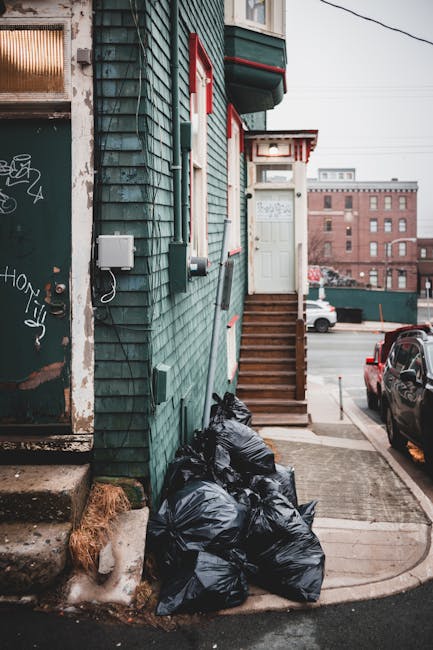
Hendon Park garden waste and bulky rubbish clearance
If you are staring at a pile of hedge cuttings, broken fence panels, an old garden table, and that awkwardly heavy bit of rubbish nobody wants to touch, you are not alone. Hendon Park garden waste and bulky rubbish clearance is one of those jobs that looks simple at first, then suddenly becomes a time-consuming mess once bags, branches, and bulky items start stacking up.
This guide explains how the clearance process works, what can usually be removed, what needs extra care, and how to avoid the common mistakes that slow everything down. It also helps you decide whether a one-off clearance, a wider garden clearance service, or a broader waste removal solution is the best fit for your situation. Truth be told, once you know the basics, the whole thing gets much easier.
And yes, bulky rubbish can be a nuisance in a way that feels almost personal. One minute the garden is just a bit untidy; the next it looks like it has been storing everyone's old decisions for five years. Let's clear that up properly.
Table of Contents
- Why Hendon Park garden waste and bulky rubbish clearance Matters
- How Hendon Park garden waste and bulky rubbish clearance Works
- Key Benefits and Practical Advantages
- Who This Is For and When It Makes Sense
- Step-by-Step Guidance
- Expert Tips for Better Results
- Common Mistakes to Avoid
- Tools, Resources and Recommendations
- Law, Compliance, Standards, or Best Practice
- Options, Methods, or Comparison Table
- Case Study or Real-World Example
- Practical Checklist
- Conclusion
- Frequently Asked Questions
Why Hendon Park garden waste and bulky rubbish clearance Matters
Garden waste and bulky rubbish are different problems, even when they appear in the same corner of a property. Hedge trimmings, branches, soil, turf, and leaves are organic and usually handled differently from old sofas, mattresses, broken sheds, planters, garden furniture, and general household clutter. When those piles are left too long, they can make a garden harder to use, harder to maintain, and frankly harder to enjoy.
In Hendon Park and the surrounding streets, outdoor space is often at a premium. A small rear garden, side return, or shared access area can become unusable very quickly if waste starts building up. That matters for day-to-day life, but it also matters if you are preparing a property for sale, a tenancy change, a renovation, or simply trying to get the place back under control after a big tidy-up.
There is also a practical safety angle. Wet leaves get slippery. Broken timber splinters. Rusty metal frames, shattered plant pots, and awkward bulky items can cause avoidable injuries when moved in a rush. A proper clearance is not just about tidiness; it is about reducing hassle and risk.
To be fair, most people do not think about waste management until it gets in the way. Then suddenly the wheelie bins are overflowing, the garage is blocked, and there is a mattress leaning against the fence that has somehow become a permanent resident. That is usually the point where a clear, planned clearance makes sense.
How Hendon Park garden waste and bulky rubbish clearance Works
At its simplest, the process involves identifying what needs to go, separating different waste types, and arranging collection or removal in a way that suits the site. The detail matters, though. A good clearance is not just someone turning up with a van and lifting whatever is visible. It is a practical process that usually follows a few clear stages.
First, the items are assessed. Garden waste might include grass cuttings, branches, hedge trimmings, weeds, old compost, and damaged garden features. Bulky rubbish might include patio sets, barbeques, sheds, broken fencing, outdoor storage, old tools, furniture, carpet offcuts, and general mixed junk. If the load contains anything that may require special handling, such as fridges, appliances, or potentially hazardous materials, that needs to be identified early.
Next comes loading and sorting. Reusable or recyclable materials should be separated where possible. Clean timber, metal, certain plastics, and green waste are often handled differently from mixed general waste. This is one reason experienced clearance teams tend to work faster than a one-size-fits-all approach. They know what they are looking at, and they are not pausing every thirty seconds to wonder whether a twisted bit of metal is recyclable or just a nuisance.
Finally, the waste is transported for appropriate disposal or recycling. Many customers prefer this route because it saves trips to the tip, avoids hiring the wrong size skip, and keeps the site clear in one go. If you are planning a larger clear-out involving indoor clutter as well, it can be sensible to combine this with house clearance or home clearance so everything is handled together.
One useful way to think about it: if the garden is messy but manageable, you can organise the contents. If it is messy and heavy, then the method matters just as much as the muscle.
Key Benefits and Practical Advantages
The biggest benefit is obvious: you get your space back. But in real life, the advantages go deeper than that. A well-run clearance can save time, reduce stress, and stop the job from spreading over several weekends. That alone is worth a lot when your Saturday has already disappeared into hedge trimming and sweeping up soggy leaves at 4 p.m.
Here are some of the main practical benefits:
- Faster turnaround: bulky items and garden waste are removed in one organised visit rather than several small trips.
- Less physical strain: lifting heavy or awkward items is no small thing, especially if access is tight or the load is bulky.
- Cleaner presentation: useful for landlords, homeowners, letting agents, and anyone preparing for guests, photos, or a sale.
- Better sorting and disposal: mixed waste can be handled more sensibly when the team knows how to separate materials.
- Reduced trip-and-slip hazards: piles of waste, broken timber, and loose debris are removed before they become a problem.
- More usable outdoor space: the garden becomes a place to use again, not just a storage zone for things nobody wants.
There is a quieter benefit too. Once the waste is gone, people often notice the garden differently. Light gets in. Paths feel wider. You can hear the birds again. It sounds small, but it changes how a place feels.
If the clearance is part of a bigger declutter, you may also find it helpful to look at related services such as garage clearance or loft clearance. Those projects often overlap more than people expect.
Who This Is For and When It Makes Sense
This type of clearance is useful for more people than you might think. It is not only for homeowners with an overgrown garden. In practice, it suits anyone dealing with bulky waste, mixed outdoor clutter, or a garden that has got away from them after a long winter, a renovation, or a house move.
Typical situations include:
- garden pruning or landscaping has produced a lot of green waste
- a shed, fence, or outdoor structure has been dismantled
- you have inherited a property with a full garden and old bulky items
- a landlord needs the outdoor area cleared between tenancies
- a tenant is moving out and leaving outdoor rubbish behind
- you are preparing for a new patio, turfing, or planting project
- there are old bits of furniture, toys, or household junk stored outside
It also makes sense when access is awkward. Not every property has a driveway, and not every item can be lifted easily down narrow steps or through a shared side return. In those cases, a coordinated clearance can be much more realistic than trying to manage the waste in batches yourself.
If you need something more specific, like removal of a worn sofa or other household item, the site's mattress and sofa disposal and furniture disposal pages may also be relevant. The point is to match the job to the waste, rather than forcing everything into one box.
Step-by-Step Guidance
If you want a smoother clearance, a little preparation goes a long way. You do not need to do everything yourself, but you do need to make the job clear enough that nothing important gets missed.
- Walk the space first. Take a slow look around the garden, side return, shed, and any storage areas. Note what is waste, what is reusable, and what might need special handling.
- Separate green waste from bulky rubbish. Put branches, cuttings, and garden debris in one area and harder items such as furniture, fencing, or broken equipment in another.
- Identify any awkward items early. Fridges, freezers, paint tins, chemicals, gas canisters, and electrical items should not be treated like ordinary rubbish. If something feels uncertain, pause and check.
- Clear access paths. Make sure gates, steps, and narrow routes are open enough for safe movement. This saves time and reduces the risk of accidental damage.
- Photograph the load if needed. A few clear pictures can help explain the scale of the job and any access issues. Handy, that.
- Confirm what will be taken. Be specific. "Garden rubbish" is not always enough. Say whether it includes soil, branches, broken furniture, or mixed bulky waste.
- Keep aside anything to retain. It sounds obvious, but people sometimes forget this one. Garden tools, spare pots, and paving slabs can all look like waste late in the day.
If you are comparing service options, take a look at the provider's pricing and quotes information before booking. Clear pricing is usually a good sign. Vague estimates are not ideal, let's say that plainly.
For larger mixed projects, you may also want to combine the clearance with garage clearance or flat clearance if clutter has spread indoors. It can save time and reduce repeat visits.
Expert Tips for Better Results
A few small habits can make the whole job more efficient. These are the sorts of details that tend to matter in real life, especially when access is tight or the waste is a bit mixed up.
- Keep green waste dry if possible. Wet clippings and soaked leaves are heavier and messier. If you have time, let cuttings dry a little before loading.
- Cut long branches down. You do not need to make everything perfect, but shorter lengths are easier to handle and stack safely.
- Bundle similar items together. Wood with wood, metal with metal, green waste with green waste. It is simple, but it helps.
- Think about what can be reused. Some garden items, like planters or tools, might be worth keeping, repairing, or passing on. Not everything that looks rough is finished.
- Be realistic about weight. Soil, rubble, and soaked material become heavy quickly. A small pile can be more awkward than it looks.
- Do not overload paths. It is tempting to gather everything in one spot, but blocking the route usually slows the job down.
Here is a small but important one: if you are clearing after a long period of neglect, do not try to do the whole garden in a single heroic burst. That is how people end up sore, frustrated, and surrounded by bags they no longer want to look at. Break it into zones if needed.
If you want to improve recycling outcomes, the site's recycling and sustainability guidance is a sensible place to start. It is a useful reminder that good clearance is not just about removal; it is also about responsible handling.
Common Mistakes to Avoid
Most clearance problems are not dramatic. They are small, boring mistakes that add up. Annoying, really. The good news is that once you know them, they are easy enough to avoid.
1. Mixing everything together without a plan. Green waste, household waste, timber, metal, and hazardous items should not all be dumped into one random pile if you can help it. Sorting takes a few extra minutes and can save a lot of confusion later.
2. Forgetting about access. A narrow side gate, steep step, or muddy patch can turn a simple clearance into a slow one. People often focus on the waste and ignore the route. That is usually where the snag is.
3. Leaving prohibited items in the load. Some items need specialist handling. Hazardous materials, for example, should be treated carefully and not assumed to be normal waste. If in doubt, ask before they are mixed in.
4. Underestimating how much there is. Garden waste compresses differently from bulky rubbish. A pile of branches may look small until it is lifted and stacked. Then, suddenly, it is a van-filling job.
5. Booking the wrong type of service. A general household clearance is not always enough for outdoor waste, and a simple garden tidy may not be enough if there are fences, furniture, or mixed debris. Matching the service to the job matters.
6. Waiting too long. The longer waste sits outside, the more weather, pests, and general wear can make it harder to handle. A damp, half-collapsed pile in February is never anyone's favourite surprise.
Tools, Resources and Recommendations
You do not need a shed full of specialist kit, but a few practical tools make a real difference. A sturdy pair of gloves, strong refuse sacks, a rake, a garden fork, and a wheelbarrow are often enough for the preparation phase. If you are dealing with branches, a pruning saw or loppers can help reduce bulk. Nothing fancy. Just decent, reliable tools that do not give up halfway through the job.
For a broader clearance plan, it can be useful to think in categories rather than individual objects:
- Green waste: cuttings, leaves, weeds, grass, branches, turf
- Bulky garden waste: fences, sheds, outdoor furniture, broken storage, trellis, parasols
- General household spillover: old toys, broken bins, bags of junk, miscellaneous clutter
- Special items: appliances, mattresses, sofas, electricals, or anything that may need separate handling
If the project extends beyond the garden, related pages such as furniture clearance, fridge and appliance removal, and builders waste clearance may help you map the different waste types more sensibly.
A small recommendation from experience: keep a notepad or phone note of what is being removed. It sounds almost too simple, but it helps avoid the classic "wait, were we keeping that?" moment.
Law, Compliance, Standards, or Best Practice
Waste handling in the UK is not something to be casual about. Even when a job is domestic and straightforward, it is still sensible to work with providers who understand proper disposal, recycling, and safe handling. For homeowners and renters, the key is to avoid fly-tipping, illegal dumping, and unsafe handling of items that require special treatment.
Best practice usually includes a few common-sense standards:
- Waste should be transported and disposed of responsibly.
- Potentially hazardous items should be separated and handled carefully.
- Heavy items should be moved with suitable care to reduce injury and property damage.
- Recyclable materials should be kept out of mixed waste where practical.
- Any service provider should be able to explain how they approach safety, pricing, and waste handling.
That is also why it is worth reviewing pages such as health and safety policy, insurance and safety, and terms and conditions before you commit. You are not being fussy. You are being sensible.
If you are dealing with anything that may be hazardous, the hazardous waste disposal page is the right place to check for extra caution. Better to ask a basic question than to guess wrong and create a mess that could have been avoided.
Options, Methods, or Comparison Table
There are usually three ways people tackle Hendon Park garden waste and bulky rubbish clearance: do it themselves, hire a skip, or book a clearance service. Each has its place.
| Method | Best for | Strengths | Limitations |
|---|---|---|---|
| DIY tip runs | Small, light loads | Flexible, good for occasional bits and pieces | Time-consuming, tiring, and awkward for heavy or bulky items |
| Skip hire | Projects with lots of similar waste | Useful for ongoing work, keeps waste on site | Space required, loading restrictions, and not ideal for quick mixed clearances |
| Professional clearance | Mixed waste, bulky items, limited access | Fast, convenient, and suited to awkward loads | Less hands-on control over sorting unless discussed in advance |
If you are unsure what fits best, a useful middle ground is to compare the kind of waste you have against the guidance on what can go in a skip. That can quickly show you whether the skip route is practical or whether a removal team would be simpler.
In a lot of real-world cases, the deciding factor is access. If you have a driveway and a neat, consistent load, a skip may work well. If you have a narrow passage, mixed items, and the clock ticking, clearance is often the calmer choice.
Case Study or Real-World Example
Picture a typical late-spring job. A small rear garden has been used for storage over the winter. There are hedge cuttings from a long-overdue prune, an old bench with one broken leg, a sagging pile of fence panels, two cracked plant pots, and a few damp bags of general rubbish tucked beside the shed. Nothing extreme. Just enough to make the space feel smaller than it is.
The first step is sorting. The green waste goes into one group, the broken timber and fencing into another, and the mixed bulky rubbish is separated out. The route to the gate is cleared so items can be moved without stepping over piles. That little bit of prep matters more than people think, especially when the path is narrow and the ground is a bit soft after rain.
Once everything is grouped, the load is removed in a planned way rather than in random handfuls. The result is not just a tidy garden. It is a space that can actually be used again for a table, a few pots, or just sitting out with a cup of tea when the weather behaves itself for once.
That is the real payoff. Not the bin bags, not the van, not the before-and-after photo. The payoff is walking outside and feeling like the place belongs to you again.
Practical Checklist
Use this checklist before arranging your clearance. It is short on purpose. The best checklists are the ones people actually finish.
- Walk through the garden and identify all waste types.
- Separate green waste from bulky rubbish.
- Set aside anything you want to keep.
- Check for items that need special handling.
- Make sure gates, paths, and access points are clear.
- Measure any awkward items if space is tight.
- Take a few photos if you need to explain the job clearly.
- Decide whether you also need indoor clearance.
- Review pricing and service details before booking.
- Confirm the collection time and what will be removed.
If you are tackling more than just the garden, it may be worth combining the job with furniture disposal or garage clearance. One visit is usually easier than three, and let's be honest, nobody enjoys scheduling waste removal twice.
Get a free quote today and see how much you can save.
Conclusion
Hendon Park garden waste and bulky rubbish clearance is about more than hauling things away. It is about restoring usable space, reducing stress, and handling waste in a way that is practical, safe, and respectful of how homes and gardens actually work in real life.
Whether you are dealing with a seasonal garden tidy, an overstuffed shed, a broken fence, or years of accumulated outdoor clutter, the right approach makes the job far less overwhelming. Sort the waste, be honest about the scale, and choose a method that fits the access and the load. Simple, but effective.
If you want a more organised home overall, it can also help to explore related services like office clearance, house clearance, or about us to understand the wider service approach. Small steps can make a surprisingly big difference.
And when the last bag is gone and the space opens up again, you feel it straight away. A bit more light, a bit more breathing room, and one less job hanging over you. That's a good feeling, really.
Frequently Asked Questions
What is included in Hendon Park garden waste and bulky rubbish clearance?
It usually includes green waste such as branches, hedge cuttings, leaves, and grass, plus bulky items like broken garden furniture, fencing, sheds, storage units, and general outdoor rubbish. If you are unsure about a specific item, it is best to check before it is mixed into the load.
Can garden waste and bulky rubbish be collected together?
Yes, in many cases they can. Mixed loads are common, especially after a garden project or property clear-out. The important thing is to identify any items that need separate handling, such as appliances or hazardous materials.
Do I need to sort the waste before collection?
You do not usually need to sort everything perfectly, but separating green waste from bulky rubbish helps a lot. It makes loading smoother, improves recycling opportunities, and reduces the chance of confusion on the day.
What should I do with soil, rubble, or heavy garden waste?
Soil and rubble can be much heavier than they look, especially if wet. If you have a lot of it, mention it early because it affects how the job is planned and may need different handling from ordinary green waste.
Is bulky rubbish the same as general household waste?
Not really. Bulky rubbish usually means large, awkward, or heavy items that are difficult to move or dispose of through normal household bins. Think sofas, broken furniture, fencing, or similar oversized items.
How do I know whether I need a skip or a clearance service?
If the waste is fairly consistent, the site has space, and you want to load it yourself over time, a skip may work. If the waste is mixed, heavy, or awkward to access, a clearance service is often the easier option. The page on what can go in a skip can help you think it through.
Can old garden furniture be removed with the clearance?
Yes, usually. Tables, chairs, benches, and similar items are commonly taken as part of a bulky rubbish clearance, provided they are described clearly when the job is arranged.
What if I have a shed or fence panels to remove?
Shed parts and fence panels are often included in garden clearance work, though they can be bulky and awkward. It helps to mention the size, access, and whether they are already dismantled.
Are there any items that should not be mixed in with garden waste?
Yes. Items that may be hazardous, such as chemicals, paint, fuel containers, or certain electricals, should be treated separately. If something feels uncertain, keep it apart until it can be checked properly.
Will the team take away everything in one visit?
Often, yes, if the volume is clear in advance and access is manageable. If the load is very large or split across different waste types, it may need a slightly more detailed plan. A good quote should explain that before work begins.
How can I prepare my garden for a quicker clearance?
Clear a path, separate waste into rough categories, and keep any items you want to retain away from the removal pile. Even fifteen minutes of preparation can make the job noticeably smoother.
Is recycling considered during garden waste and bulky rubbish clearance?
It should be, where practical. Green waste, metal, timber, and other suitable materials can often be handled separately. If recycling matters to you, ask how the service approaches sorting and disposal before booking.
What should I check before accepting a quote?
Look at what is included, whether access issues affect the price, how different waste types are handled, and whether there are any exclusions. Clear, simple pricing is usually easier to trust than a vague number that changes later.
Where can I learn more about the company and its standards?
You can review the site's insurance and safety, health and safety policy, and recycling and sustainability pages for a better sense of how the work is approached. It is a sensible habit, really.